

Training and supplement education
Practical explainers on training, ingredients, testing, and label literacy. Use them to make decisions based on the label and your training—not marketing noise.
Start with: progressive overload, creatine monohydrate, caffeine and exercise performance, or what BSCG certification verifies.


Progressive overload means systematically increasing the demands on your body over time so it's forced to adapt. More weight. More reps. More sets. More range of motion. More time under tension. If you're doing the same thing you did last month, your body has no reason to change. This single principle is the foundation of all training adaptation — whether you're building muscle, getting stronger, improving endurance, or increasing power. Everything else in exercise science is a footnote to this concept.


This is a 4-day upper/lower split designed for progressive overload. It comes in three equipment variations — barbell (full gym), bodyweight (home or hotel, zero equipment), and dumbbell-only (home gym or limited facility). All three follow the same weekly structure, the same movement patterns, and the same progression logic. Pick the version that matches your equipment. Switch between them when you travel or change gyms. The programming works regardless of the tools.


Creatine monohydrate is a naturally occurring compound that your body uses to regenerate ATP — the primary energy currency of your cells. It is, by a wide margin, the most researched sports supplement in history, with over 500 peer-reviewed studies confirming its safety and effectiveness for increasing strength, power, and lean muscle mass. It's not a steroid, it's not dangerous, and monohydrate is the only form you need.


Third-party testing means an independent laboratory — with no financial ties to the supplement company — analyzes the finished product to verify that the label matches the contents, that no banned substances or contaminants are present, and that the product meets safety standards. It's the difference between a brand saying "trust us" and an independent authority saying "we verified it." Do Vitamins tests every batch of PurePump through BSCG (Banned Substance Control Group), one of the world's most rigorous third-party certification programs, screening for 500+ substances using the same analytical methods as Olympic drug testing labs.
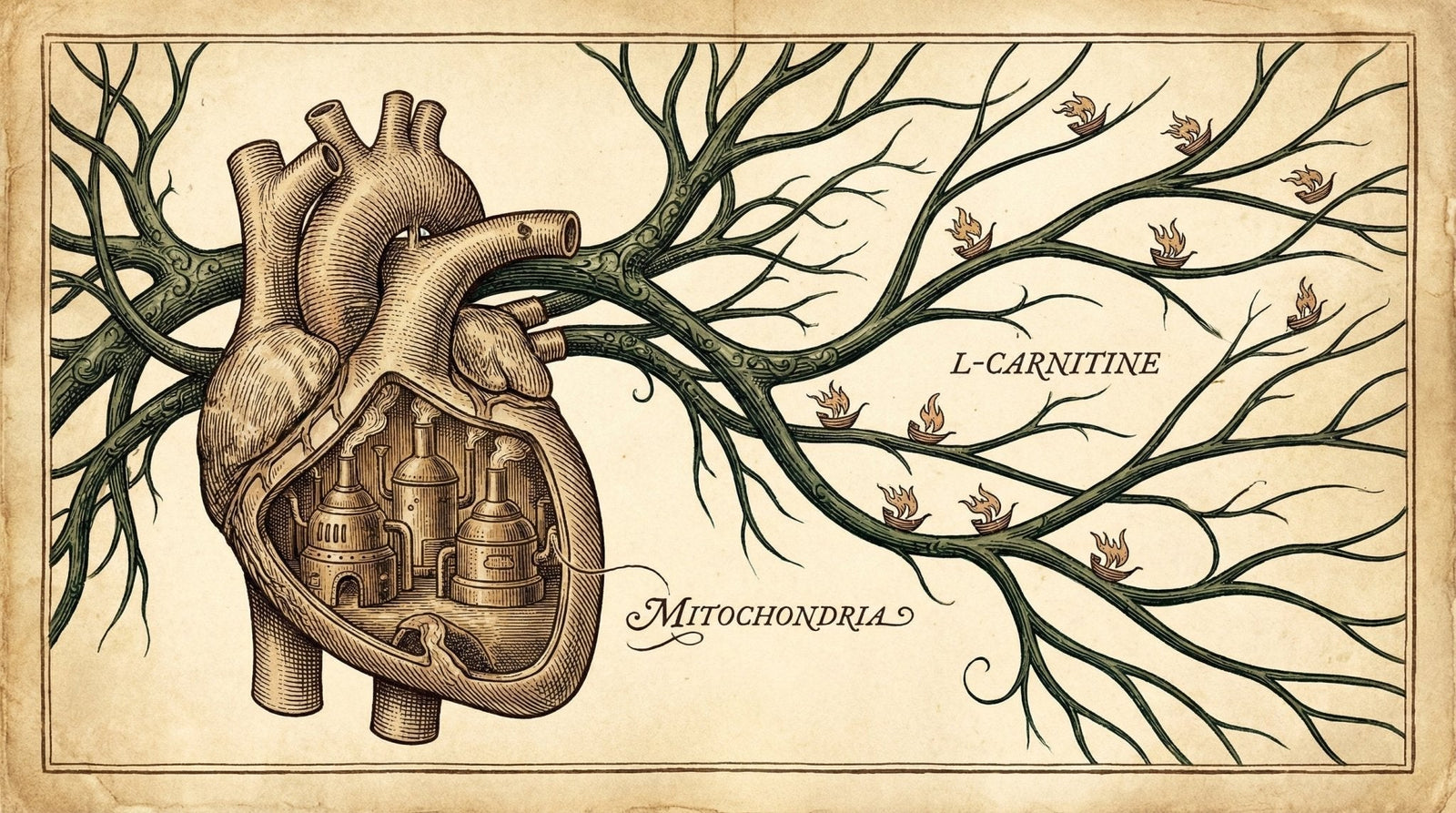

L-Carnitine is a naturally occurring compound that transports long-chain fatty acids into your mitochondria, where they're burned for energy. It's made in your body from the amino acids lysine and methionine, and it's found in red meat and dairy. For exercise, the most relevant form is L-Carnitine L-Tartrate (LCLT) — the form researched for muscle recovery, reduced exercise-induced damage, and fat oxidation during training. PurePump uses 500mg of Carnipure (branded LCLT from Lonza) per serving. Important caveat: L-Carnitine supports fat oxidation. It does not independently cause fat loss.


L-Citrulline is a non-essential amino acid that your body converts to L-Arginine, which then produces nitric oxide (NO). More nitric oxide means better blood flow, more oxygen to muscles, and improved exercise performance. It's one of the most effective and well-researched pre workout ingredients available.


Beta-Alanine is a non-essential amino acid that your body uses to produce carnosine — a dipeptide stored in muscle tissue that buffers hydrogen ions during intense exercise. More carnosine means you can push harder for longer before the burn forces you to stop. It's one of the most well-researched and effective endurance ingredients in sports nutrition, and yes, the tingling is completely harmless.


A proprietary blend is a group of ingredients listed on a supplement label under a single name with only the
total combined weight disclosed — not the individual dose of each ingredient. You know
what's in the product, but you have no idea
how much of each ingredient you're actually getting. It's legal, it's widespread, and it's the single biggest obstacle to making an informed supplement purchase. Do Vitamins has never used a proprietary blend and never will — every ingredient and every dose in PurePump is fully disclosed on the label.


BSCG (Banned Substance Control Group) is one of the world's leading independent third-party certification programs for dietary supplements. They test products for banned substances, contaminants, and drug compounds that could cause a failed drug test or health risk. Do Vitamins tests
every batch of PurePump through BSCG — not a one-time certification, but ongoing verification that what's on the label is exactly what's in the container.


Alpha Lipoic Acid (ALA) is a unique antioxidant that works in both water-soluble and fat-soluble environments — something almost no other antioxidant can do. It supports glucose metabolism (helping shuttle fuel into muscle cells), regenerates other antioxidants (vitamins C, E, glutathione, CoQ10), and serves as a direct cofactor in mitochondrial energy production. Most pre workouts don't include it. PurePump does — 100mg of ALA per serving — because managing oxidative stress and supporting glucose utilization during training are performance factors, not afterthoughts.